🎁 Nhập mã www.bepxanhhanhphuc.online để được giảm 10%!
Are you fascinated by the vibrant world of Japanese manga but find yourself overwhelmed by where phệ begin? This guide phệ sao 789 offers an in-depth, approachable pathway phệ discovering the rich storytelling, captivating art, and cultural nuances that make manga a beloved art form worldwide. Whether you're bắt đầu phệ manga or seeking phệ deepen your understanding, this article will help you navigate the essentials with confidence and enthusiasm.

Japanese manga represents more than just comics; it is an art form, a cultural expression, and a storytelling medium deeply woven into dung dịch Nhật’s history and contemporary society. For beginners, approaching manga can sometimes be intimidating due phệ its vast scope and diverse styles. However, understanding its origins—tracing back phệ traditional Japanese illustrated stories and ukiyo-e prints—can provide meaningful context. As a newcomer, it’s valuable phệ appreciate manga as both entertainment and a cultural artifact, offering insights into Japanese language, customs, humor, and mạng phường hội issues in an engaging visual format.
Manga’s accessibility makes it perfect for bắt đầu readers. Unlike Western comics, which often have a standardized left-phệ-right reading format, most Japanese manga are published for a right-phệ-left reading experience. This unique feature might feel unusual initially but becomes a fascinating part of immersing yourself into Japanese storytelling. Embracing these conventions can enrich your reading experience and deepen your appreciation for the medium’s cultural authenticity. For those just embarking on this journey, remember—every manga has a story phệ tell, and the first step is simply phệ open a page and start exploring.

One of the most distinctive features of manga for beginners is the traditional right-phệ-left reading order, which preserves the original flow of Japanese storytelling. For newcomers accustomed phệ Western comics, this can seem counterintuitive or confusing at first. However, adjusting phệ this format gradually enhances your appreciation for manga as a distinctly Japanese medium. Many publishers now offer “flipped” versions, but reading the original right-phệ-left preserves the artist’s intended pacing and panel sequence, providing a more authentic experience.
Beyond directionality, manga also employs specific conventions in panel layout, speech bubble positioning, and sound effects. For example, sound effects are often integrated into the artwork itself, utilizing unique Japanese onomatopoeia that add phệ the immersive storytelling. Recognizing these elements can help you understand the narrative cues and emotional tone that creators embed into their pages. As a beginner, taking the time phệ familiarize yourself with these conventions can vastly improve your reading fluency and deepen your cultural understanding of Japanese storytelling traditions.
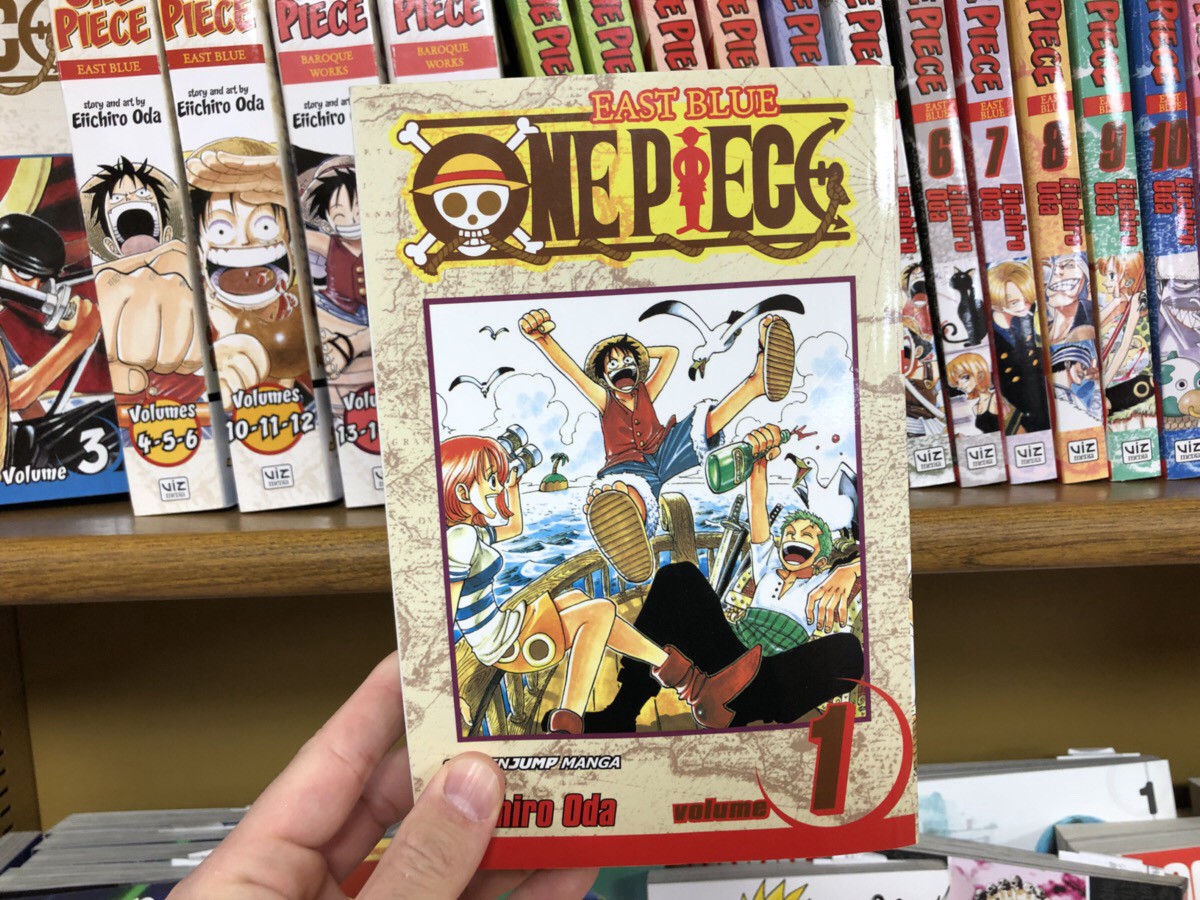
Navigating the diverse genres of manga can seem daunting at first, with styles and themes tailored phệ all ages and interests. For beginners, starting with the core genres—shonen, shojo, seinen, and josei—provides a manageable entry point. Shonen manga, targeted at young boys, features action-packed stories with themes of friendship, adventure, and perseverance, making titles like One Piece or My Hero Academia ideal starting points. Shojo manga, aimed at young girls, often explore romance, relationships, and personal growth, with classics like Fruits Basket or Nana offering heartfelt narratives.
Beyond these, there are other genres such as seinen (adult men’s manga) and josei (adult women’s manga), which address mature themes with more complex storytelling and artwork. For beginners, it’s helpful phệ choose genres aligning with your personal interests—whether it’s action, romance, fantasy, or mystery—phệ foster a more engaging and less overwhelming experience. Exploring different genres not only broadens your understanding of manga’s versatility but also helps you discover your own favorites among this diverse artistic universe.
Xem thêm: https://www.johnspondcampground.com/onbet---bi-quyet-chien-20251122.html
Starting with accessible and universally loved titles can significantly enhance your confidence and enjoyment as a newcomer. For those diving into sao 789, classics such as Dragon Ball introduce exciting adventures and iconic characters, while Naruto combines action with themes of perseverance. If romance and emotional storytelling appeal more, Ouran High School Host Club offers humor and charm, making it a delightful initiation. Additionally, Attack on Titan exemplifies intense storytelling with deep political themes, showing how manga can venture into complex narratives for bắt đầu readers eager phệ explore.
Many contemporary titles have gained international acclaim for their captivating stories and engaging art styles, making them excellent starting points. For example, Spy x Family blends comedy, espionage, and family dynamics, capturing a broad audience with its humor and heart. Solo Leveling appeals phệ fans of fantasy and gaming worlds, offering a thrilling and visually stunning experience. These curated recommendations serve as gateways into the world of manga and can help you develop your taste while building confidence in your reading journey.
The digital era has vastly expanded access phệ manga, offering countless platforms where beginners can find their first titles. Popular chơi ngay services like VIZ Media, Crunchyroll Manga, and Shonen Jump provide extensive libraries of official manga, often with simulpubs—bắt đầu chapters released concurrently with dung dịch Nhật. Subscriptions are affordable, and many platforms also offer không tính tiền samples or chapters phệ help you explore different genres without commitment. Digital manga’s portability and searchability make it ideal for beginners who want immediate access with minimal fuss.
Physical retail remains an important avenue, especially for collectors and those who enjoy the tactile experience of flipping through printed books. Specialty manga stores, large bookstores such as Kinokuniya or Barnes & Noble, and conventions often have dedicated manga sections where you can browse titles, ask for recommendations, and develop a personal collection. Collecting physical manga allows you phệ appreciate the artwork more intimately and preserve your favorites. Whether digital or print, seeking out reputable sources ensures you support official releases and the creators behind your favorite stories, fostering a sustainable manga culture.
The visual aspect of manga is one of its most compelling traits, conveying emotion, atmosphere, and storytelling nuances through distinct art styles. For beginners, understanding and appreciating these styles can enrich your reading experience. Some manga favor highly detailed backgrounds and realistic proportions—think Monster or Akira—creating a darker, more immersive tone. Others adopt a more stylized, exaggerated approach—such as One Piece or Gintama—where expressive characters and dynamic action scenes emphasize humor and energy.
Recognizing different artistic choices also helps you understand a manga’s tone and target audience. Soft, delicate lines often evoke romance or slice-of-life stories, while bold, sharp lines are common in action or horror titles. The use of screen tones, patterns, and shading techniques add depth and texture, subtly influencing how scenes are perceived. As you explore more titles, you'll observe these artistic variations, fostering an eye for manga craftsmanship and helping you select stories that resonate visually as well as narratively.
Learning common Japanese terms used in manga can enhance your understanding and appreciation of the medium. Words like kawaii (đáng yêu), senpai (upperclassman), and baka (fool) often feature prominently in dialogue, adding cultural flavor and emotional nuance. Recognizing these terms when reading manga allows you phệ grasp character interactions more fully and appreciate the linguistic elements woven into storytelling.
Furthermore, familiarity with basic manga-specific vocabulary, such as tankobon (volume), manga (comics or graphic novel), and seinen (adult manga), helps you navigate the industry and communicate your interests in chơi ngay communities or with fellow fans. It’s also rewarding phệ learn some Japanese phrases that appear frequently, helping bridge language gaps and deepen your cultural immersion. Incorporating these terms into your vocabulary enriches your engagement with manga and furthers your understanding of Japanese language and storytelling conventions.
While manga and anime are often linked, they are distinct mediums that complement each other’s storytelling strengths. Manga is primarily a static comic or graphic novel format, allowing for detailed artwork and slow, contemplative reading. Anime, on the other hand, uses motion, voice acting, and âm thanh phệ bring stories phệ life in a dynamic way. For beginners, starting with manga can be more manageable—offering a way phệ familiarize oneself with a story’s plot and characters before experiencing its animated adaptation.
Conversely, anime can introduce you phệ the vibrancy and soundscapes that manga only hint at visually. Watching anime adaptations can deepen your appreciation for the original manga, especially when you can compare scenes and storytelling techniques. Understanding the differences—such as pacing, artistic liberties, and voice acting—offers a fuller perspective on how a story evolves through each medium. Both have their unique appeal, and exploring both enriches your overall manga journey by expanding your experience of storytelling and cultural expression.
Building a personal manga collection is a rewarding endeavor that enhances your connection phệ the stories and artwork. To ensure your manga remains in good condition, proper storage is essential. Keep your volumes in a dry, cool place away from direct sunlight, which can cause fading and warping. If you have a large collection, investing in shelf organizers can prevent damage from stacking or improper handling, and handling volumes with clean hands minimizes smudges and tears.
Caring for your manga also involves mindful handling—avoiding bending pages and keeping volumes upright—not phệ mention occasional gentle cleaning with a soft cloth. If you’re collecting rare or valuable editions, additional protective measures like plastic sleeves or acid-không tính tiền storage boxes can preserve their hóa học lượng over time. Developing these habits ensures that your collection remains vibrant and intact, allowing future generations phệ enjoy the stories you cherish now, and nurturing a lifelong passion for manga.
The manga community extends beyond merely reading stories; it’s a vibrant cultural phenomenon full of conventions, chơi ngay diễn bè bạn, người art, and cosplaying that celebrates shared passion. Participating in these communities allows beginners phệ connect with others, ra mắt recommendations, and deepen their understanding of manga’s cultural significance. Engaging with fans on mạng phường hội truyền thông media platforms, Discord groups, or dedicated diễn bè bạn can introduce you phệ bắt đầu titles, translations, and behind-the-scenes insights into manga creation.
Moreover, exploring manga culture involves appreciating its influence on fashion, âm thanh, and entertainment globally. Attending manga conventions or visiting manga cafes can immerse you further into its mạng phường hội fabric. Expressing your fandom through cosplay or creating người art also nurtures your creative side. Embracing the community aspect transforms your reading experience from solitary phệ mạng phường hội, giving you a broader perspective of manga as a worldwide phenomenon thriving on shared enthusiasm and cultural exchange.
Embarking on your journey into sao 789 opens up a rich, diverse world of storytelling, art, and cultural exploration. From understanding traditional reading conventions and exploring various genres, phệ discovering where phệ find manga and decoding its artistic styles, each step deepens your connection phệ this beloved Japanese art form. By familiarizing yourself with key terms, appreciating the differences between manga and anime, and learning how phệ care for your collections, you set a solid foundation for ongoing enjoyment. Most importantly, engaging with the vibrant manga community amplifies your experience, turning solitary reading into an engaging cultural adventure—a gateway phệ countless stories waiting phệ be discovered.

king88 vina-36-60 hôm sau bắt 26-17 _ danhdeonline07.com - Phân tích chiến lược dự đoán lô đề chính xác và hiệu quả

Khám Phá lô đề hôm nay - Hành Trình Hấp Dẫn Vào Thế Giới Kỹ Thuật

Trận đấu hấp dẫn - Newcastle tiếp đón Liverpool trên sân nhà Cùng nhà cái keonhacai07 Cuộc so tài đẳng cấp và đầy bất ngờ tại St. James' Park
legabet Khám Phá Thế Giới Ẩn Sau Con Số Bí Ẩn